The Journal
ジャーナル / Heritage Writing
Perspectives on denim, leather, Japanese craft, and the business of building brands that last.
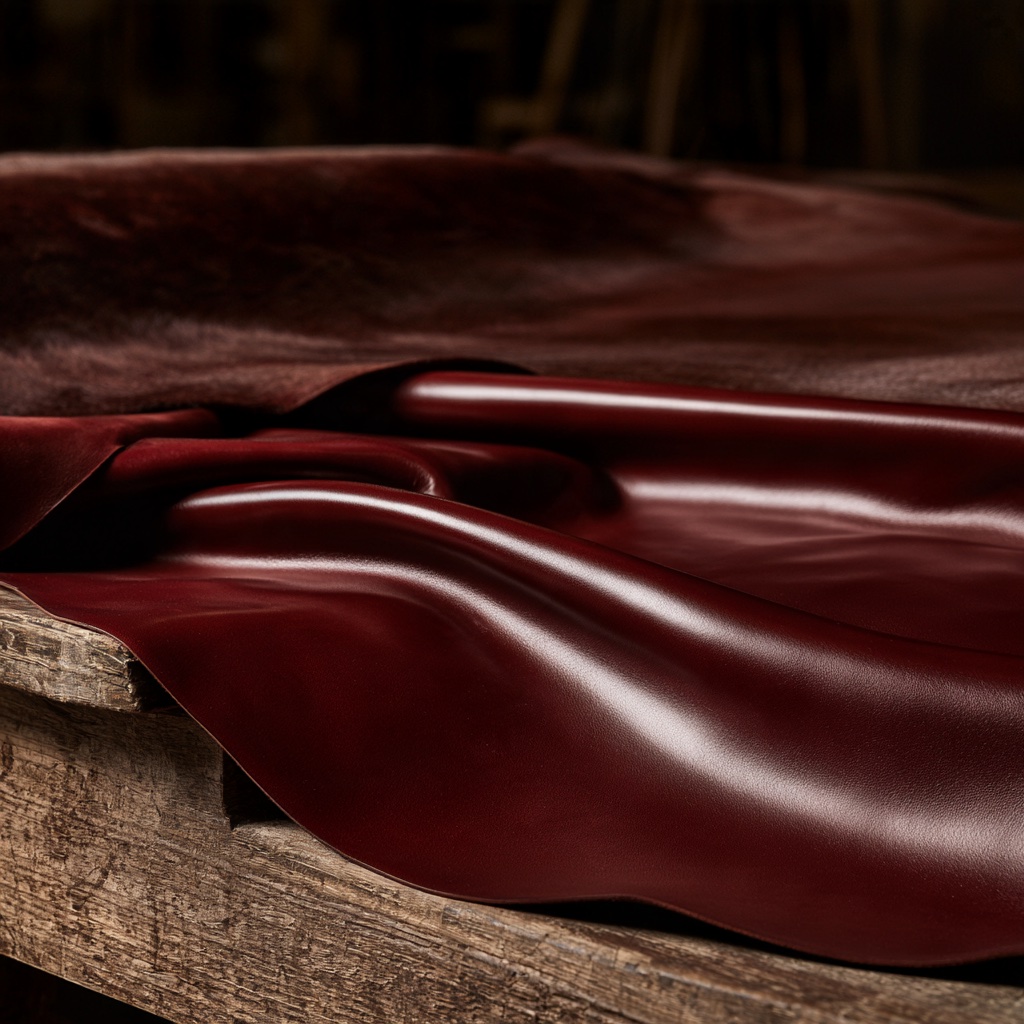
Shell Cordovan and the Hierarchy of Hides
Why Japan calls shell cordovan the diamond of leather, and what its place at the top of the hierarchy teaches us about judging every hide, from Himeji to Kasur.
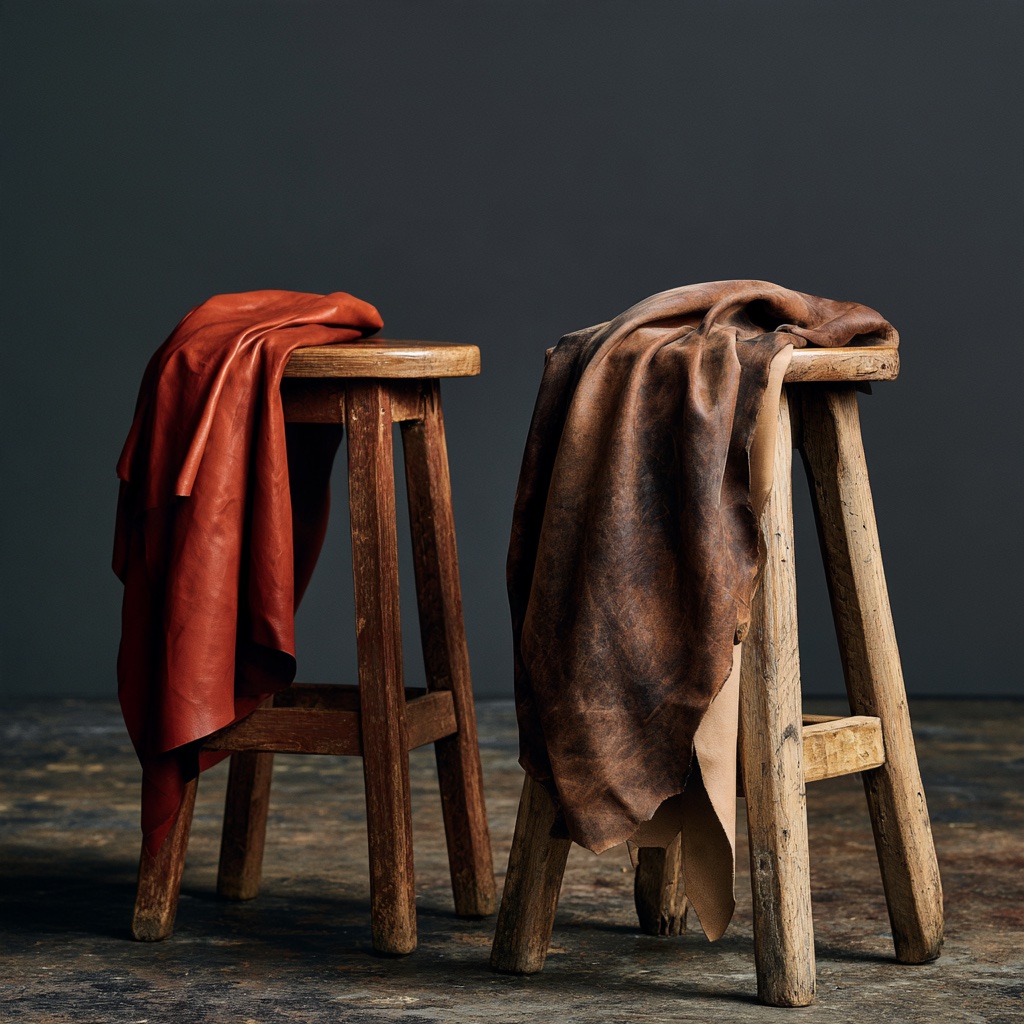
Chrome vs. Vegetable Tanning: What Your Leather Is Really Made Of
Two jackets can look identical and be made of entirely different materials. A guide to chrome and vegetable tanning: how each works, how each ages, and how to tell them apart.
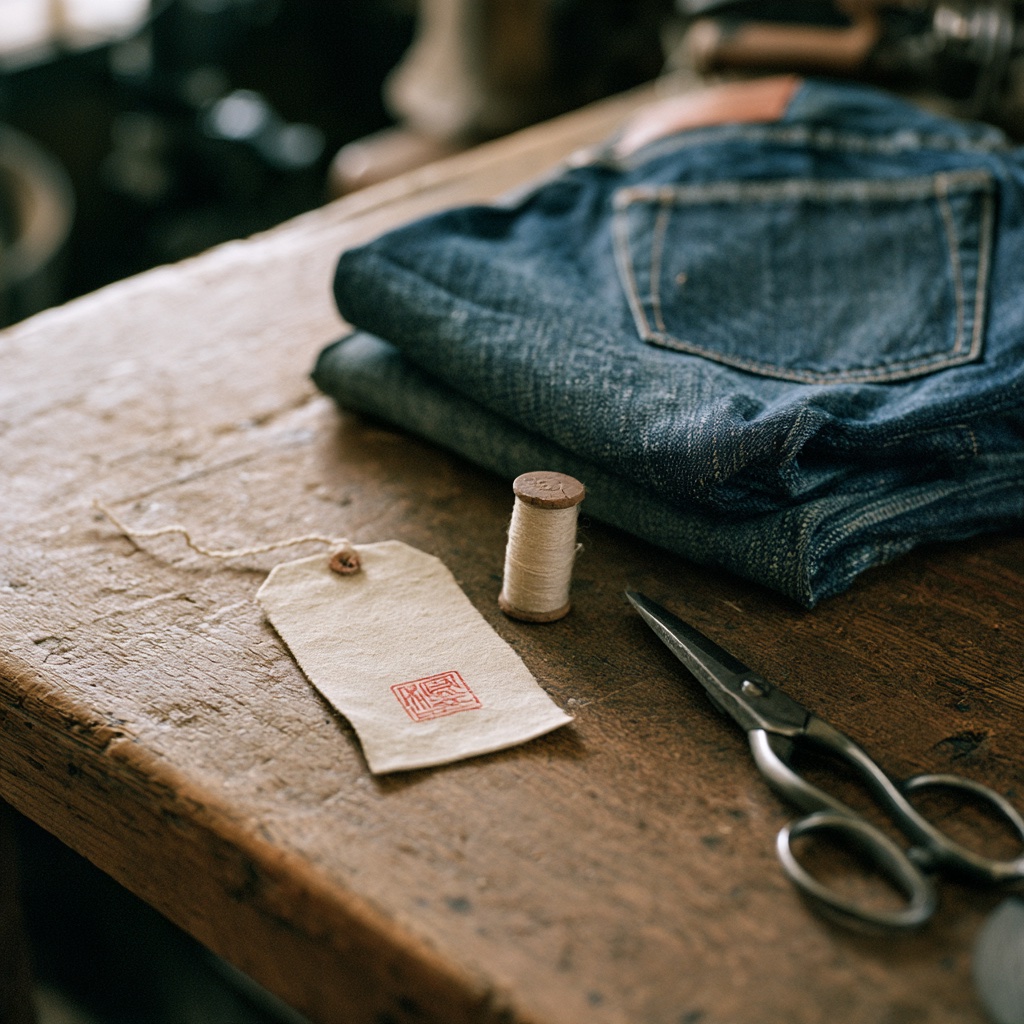
What "Made in Japan" Really Means Today
"Made in Japan" once meant cheap, then it meant precise. Today it is a promise that is easy to print and harder to keep, and knowing where the craft actually happens matters more than the label.
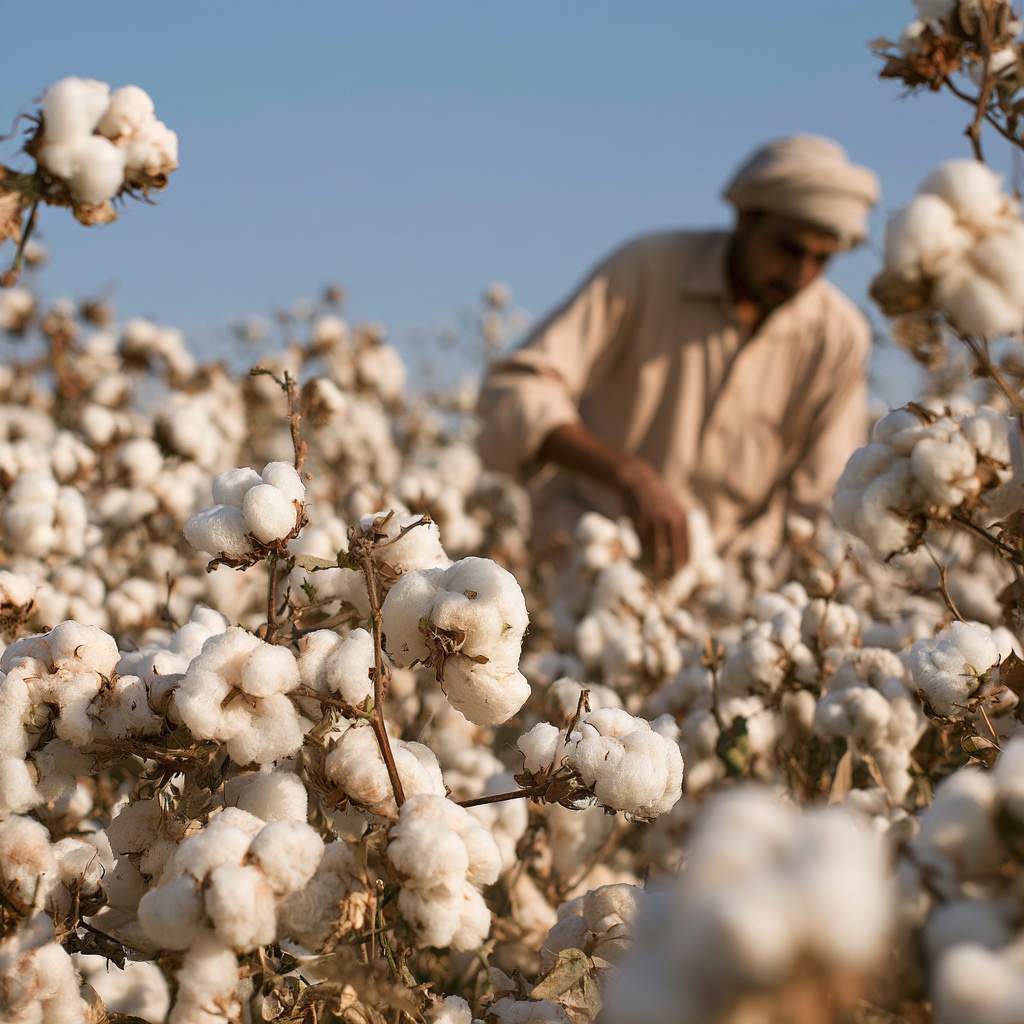
Cotton at Source: Pakistan's Raw Material Advantage
Before a thread is ever spun or dyed, denim quality is decided in the field. Pakistan's Punjab cotton belt — and its short distance from field to gin to mill — is a raw material advantage the label never mentions.

The Pakistani Craftsman: Generational Knowledge at the Loom
In Faisalabad and Sialkot, denim craft isn't taught in a classroom — it's inherited at the loom, hand to hand, across generations. That inherited judgment is what LONDON COM is really sourcing.
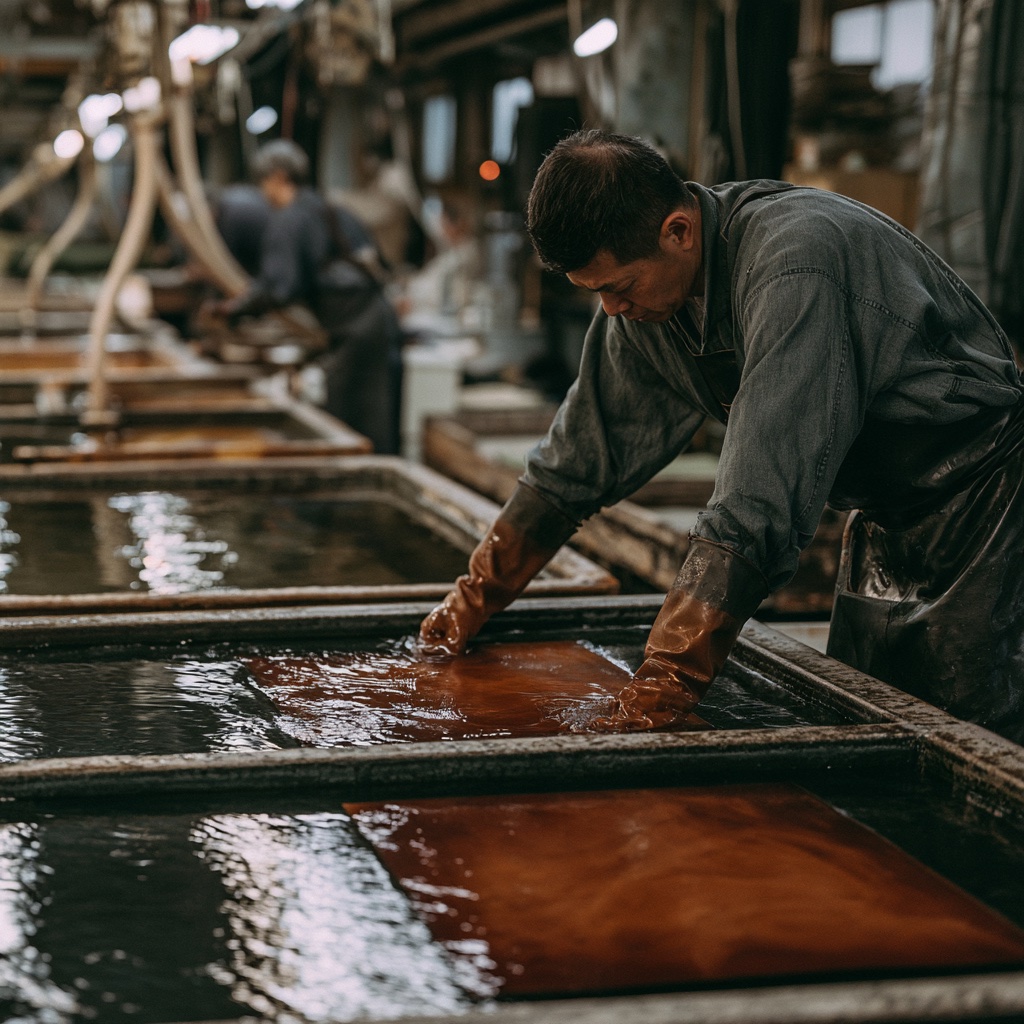
Japanese Tanneries and the Art of Vegetable Tanning
In the tanneries of Himeji, a handful of craftsmen still cure hides the old way — with bark, water, and time — producing leather built to darken and soften for decades, not just months.

Why the Best Japanese Brands Source from Pakistan
The most exacting denim houses in Japan don't source from Pakistan because it's cheaper — they source from Pakistan because certain mills there have quietly matched, and in places exceeded, what Japan can produce alone.
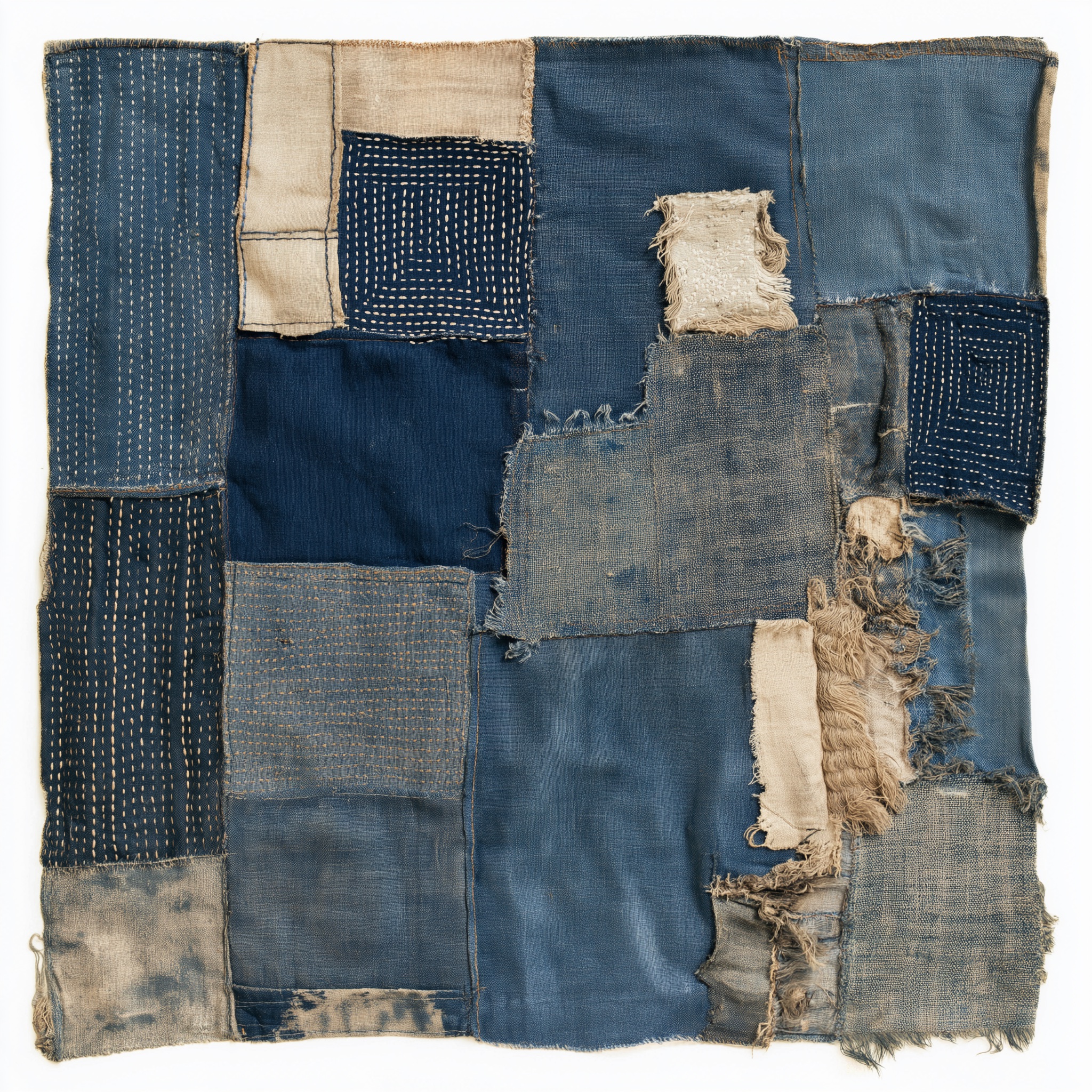
Boro: Japan's Tradition of Repair as Craft
In the cold farming villages of Tohoku, worn cloth was never discarded — it was patched, layered, and passed down until repair itself became the craft. Boro is what that discipline left behind.

Selvedge from Sialkot: Pakistan's Heritage Weaving Tradition
Best known abroad for footballs and surgical steel, Sialkot also hides a narrow-loom weaving tradition producing genuine selvedge cloth — precision passed down the same disciplined way as its more famous crafts.
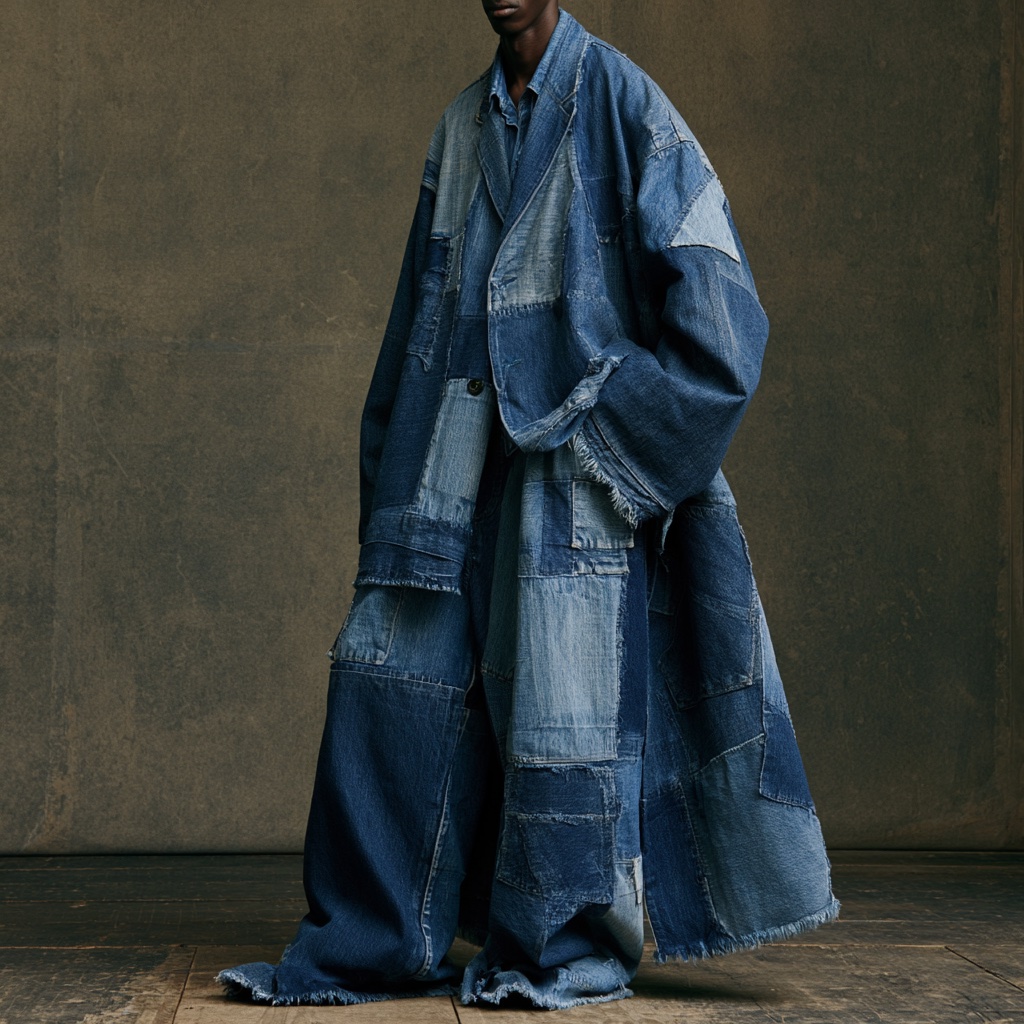
Wabi-Sabi in Denim: The Philosophy of Ageing Gracefully
Before wabi-sabi was a Western buzzword, it was the philosophy behind why Japanese denim is built to fade, crease, and age — not despite imperfection, but because of it.
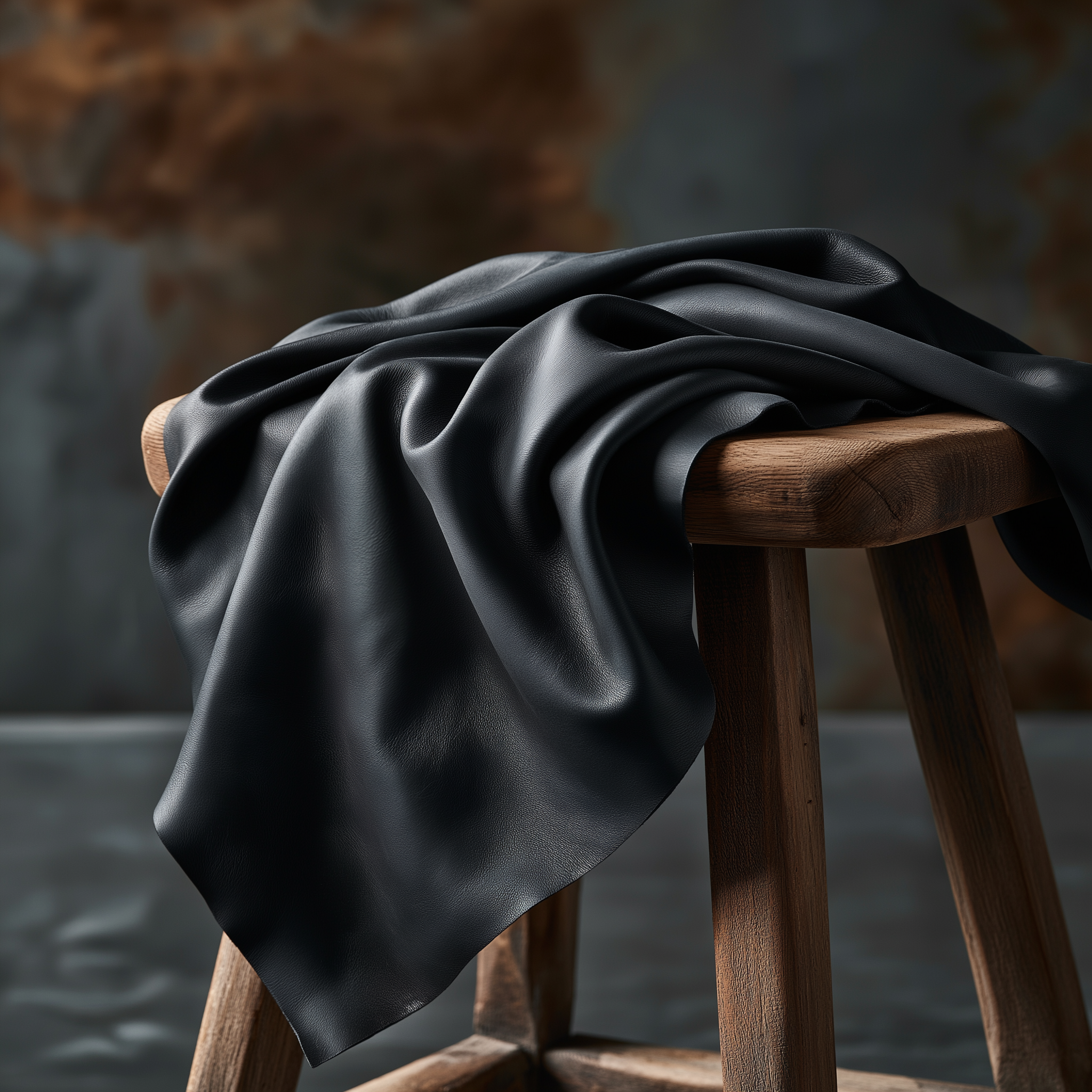
Vegetable-Tanned Leather from Kasur: A Tanning Heritage Few Know
In a Punjab city few outside the trade have heard of, tanners still cure hides the slow way — with bark, not chemistry — producing a leather that ages rather than merely wears.
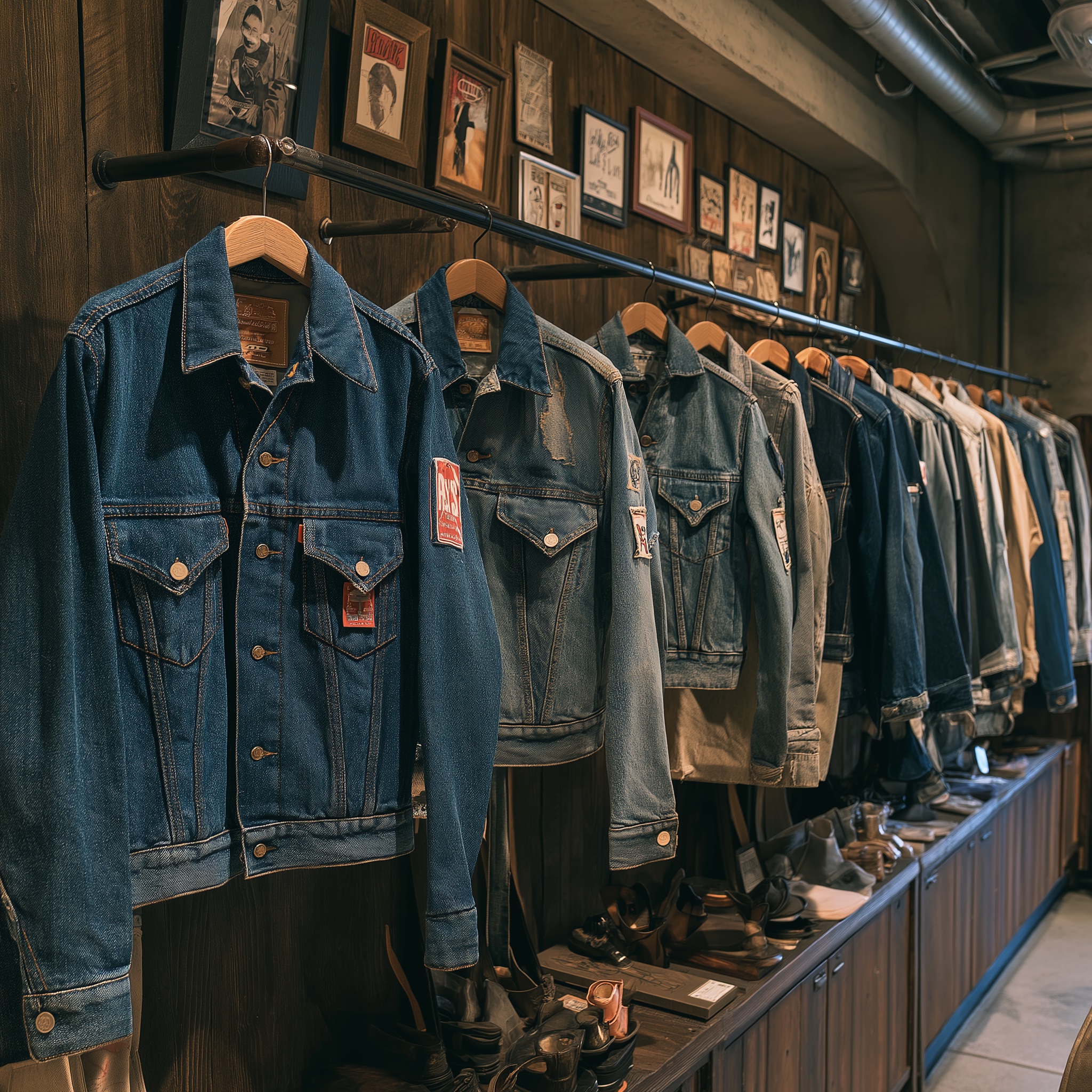
Osaka Five — Japan's Denim Golden Triangle
In the late 1980s, five small Osaka workshops set out to rebuild denim from the shuttle loom up — and in doing so, defined what the world now calls Japanese selvedge.